Why Polyethylene

Why PE?

Because You’re Tired of Fixing Your Boat.

Polyethylene gives TuffTide boats the durability, impact resistance, and low-maintenance ownership we want in a fishing boat.

No gelcoat to baby. No wood to rot. No aluminum corrosion to chase. Just a tough, practical hull material built for real-world use around docks, ramps, beaches, shallow water, and saltwater.

‍Spend less time worrying about the boat — and more time using it.
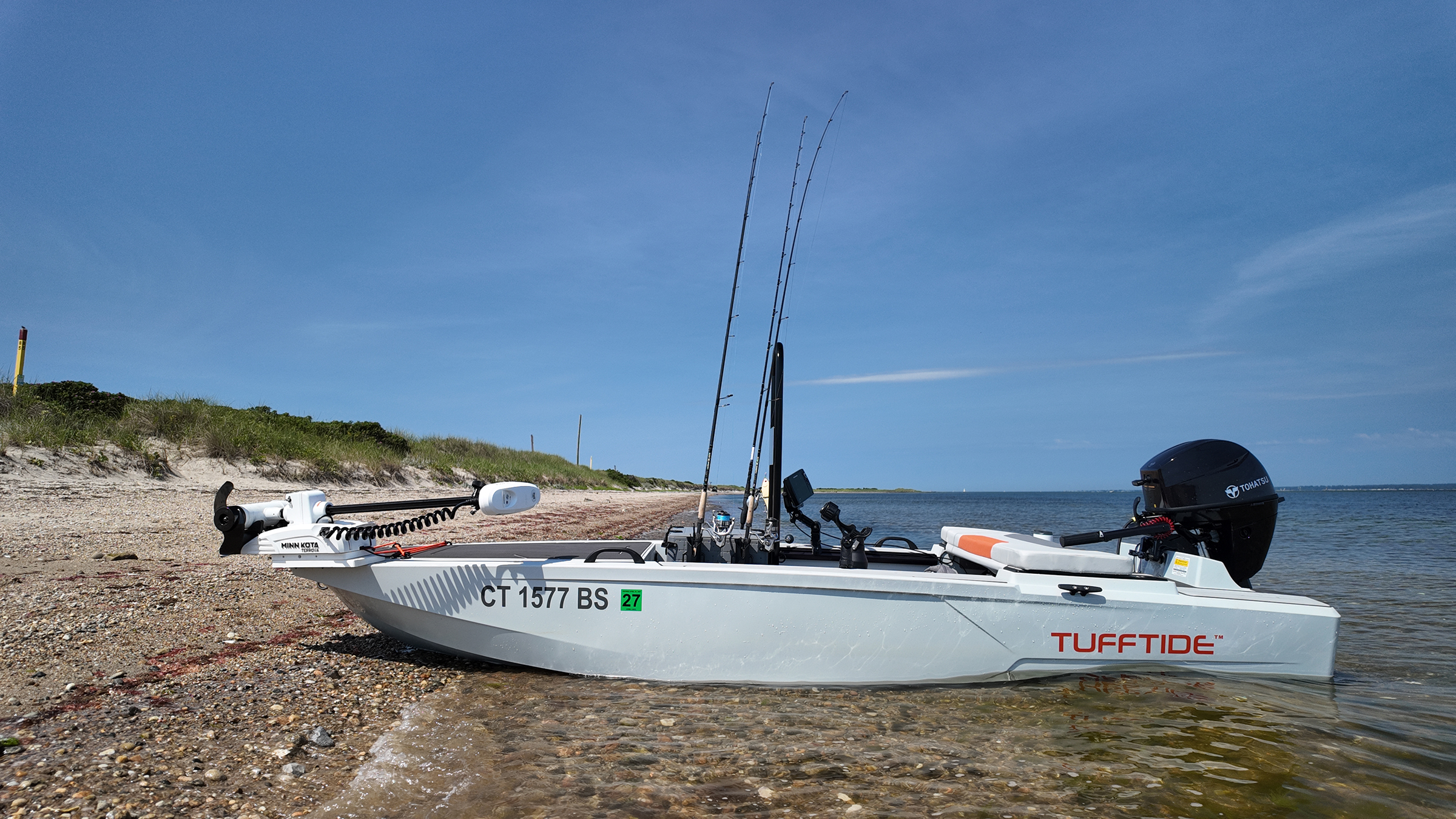
Polyethylene

What Is
Polyethylene?

Polyethylene (PE) is a tough thermoplastic used in demanding marine, industrial, and infrastructure applications where impact resistance, longevity, and low maintenance matter.

It doesn't absorb water, won't rot or corrode, and is well suited for repeated exposure to saltwater, weather, and everyday hard use.

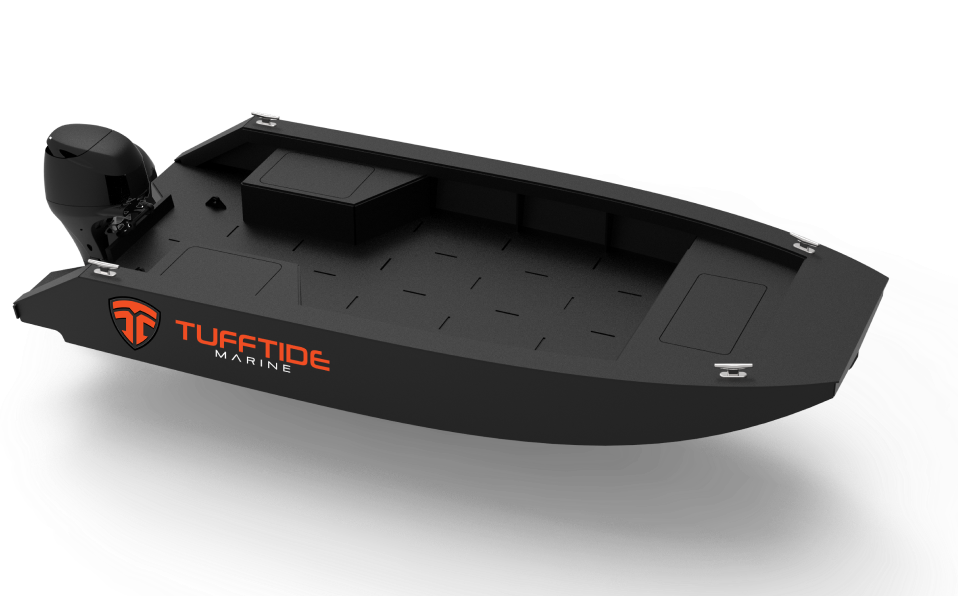
TuffTide uses polyethylene in two different ways: welded HDPE construction for our 16-foot models and rotomolded polyethylene for the TuffTide 13. Different construction methods, chosen for different boats.

Same goal: a durable hull that's easier to own and built to be used.

Why It Works For Boats

Tough Material.
Practical Advantages.

01
Impact Tolerant PE can absorb everyday bumps and impacts without the same concerns associated with brittle surface finishes.
02
No Rot. No Rust. The material itself won't rot and doesn't corrode like metal.
03
Low Maintenance No gelcoat to wax and no painted hull surface to constantly worry about scratching or chipping.
04
Made For The Water A material well suited to wet environments, saltwater, docks, ramps, beaches, and repeated use.

A Material Already Proven In Tough Jobs

Polyethylene is widely used in applications where durability, moisture resistance, and long service life matter.

Underground Piping
& Infrastructure
Industrial
Storage Tanks
Truck Liners
& Salt Spreaders
Water & Fuel
Tanks

It's already trusted for demanding applications. We turn it into boats.

polyethylene

What Is polyethylene (PE)?

Polyethylene (PE) is a rugged thermoplastic used in demanding industrial, marine, and infrastructure applications where impact resistance, longevity, and low maintenance matter more than cosmetics. It doesn’t absorb water, won’t rot or corrode, and holds up to salt, sun, cold, and heat.

At TuffTide, we use different forms of polyethylene depending on the job. Some models are built from high-density polyethylene (HDPE) for maximum toughness and structural rigidity. Others are rotomolded from polyethylene blends optimized for strength, stability, and efficiency. Different processes — same goal: durability you don’t have to think about.

Polyethylene is also fully recyclable, making it a smart choice for owners who want long-term performance with less chemical use, paint, and maintenance waste.

You’ll find PE used in:

- Underground piping and infrastructure
- Military and industrial storage tanks
- Salt spreaders and dump truck liners
- Portable water and fuel tanks

Now, we turn it into boats.
Interested in Partnering With Us?

How It’s Different from Aluminum or Fiberglass

Features
Crack Resistant
LOW Maintenance
UV stable
Corrosion Resistant
Impact absorbing
Quiet on the Water
NO BOTTOM PAINT REQUIRED
Repairable (Welded)
PolyEthylene Boats
Crack Resistant
Maintenance-Free
UV Resistant
Corrosion Resistant
Impact Tolerant
Quiet on the Water
NO BOTTOM PAINT REQUIRED
Repairable (Welded)
Aluminum Boats
Crack Resistant
Maintenance-Free
UV Resistant
Corrosion Resistant
Impact Tolerant
Quiet on the Water
NO BOTTOM PAINT REQUIRED
Repairable (Welded)
Fiberglass Boats
Crack Resistant
Maintenance-Free
UV Resistant
Corrosion Resistant
Impact Tolerant
Quiet on the Water
NO BOTTOM PAINT REQUIRED
Repairable (Welded)
Why PE Holds Up

What Makes
PE So Tough?

Polyethylene behaves differently than many traditional boat materials. Its combination of flexibility, impact tolerance, and resistance to water-related deterioration makes it especially well suited for boats that are actually going to get used.

Designed For Real-World Use

Give Where It Helps.
Strength Where It Matters.

PE has a degree of flexibility that helps it absorb and distribute everyday impacts rather than relying on a brittle exterior finish to stay intact. That makes it a practical material for docks, ramps, beaches, shallow water, and the normal bumps that come with boating.
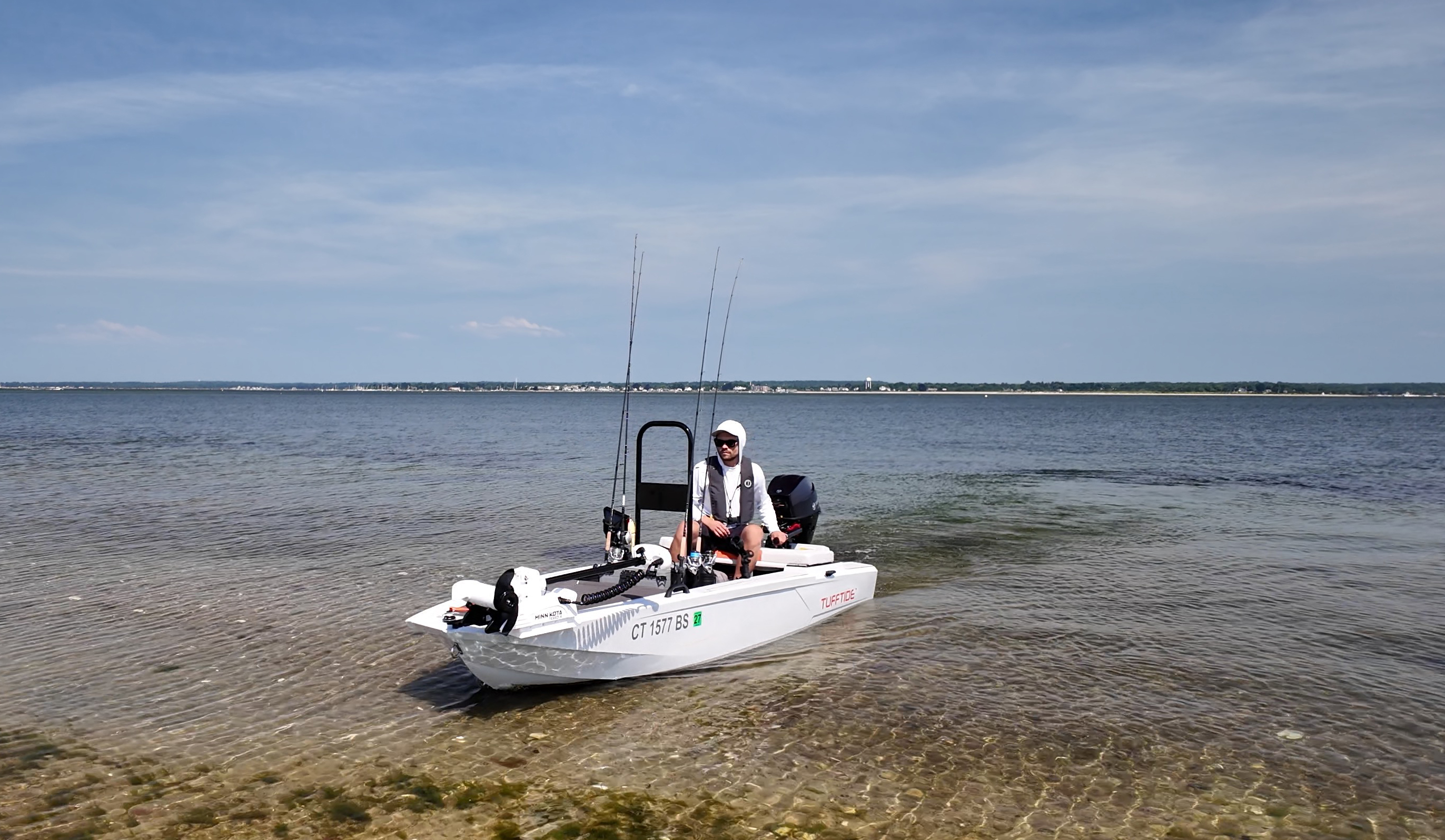
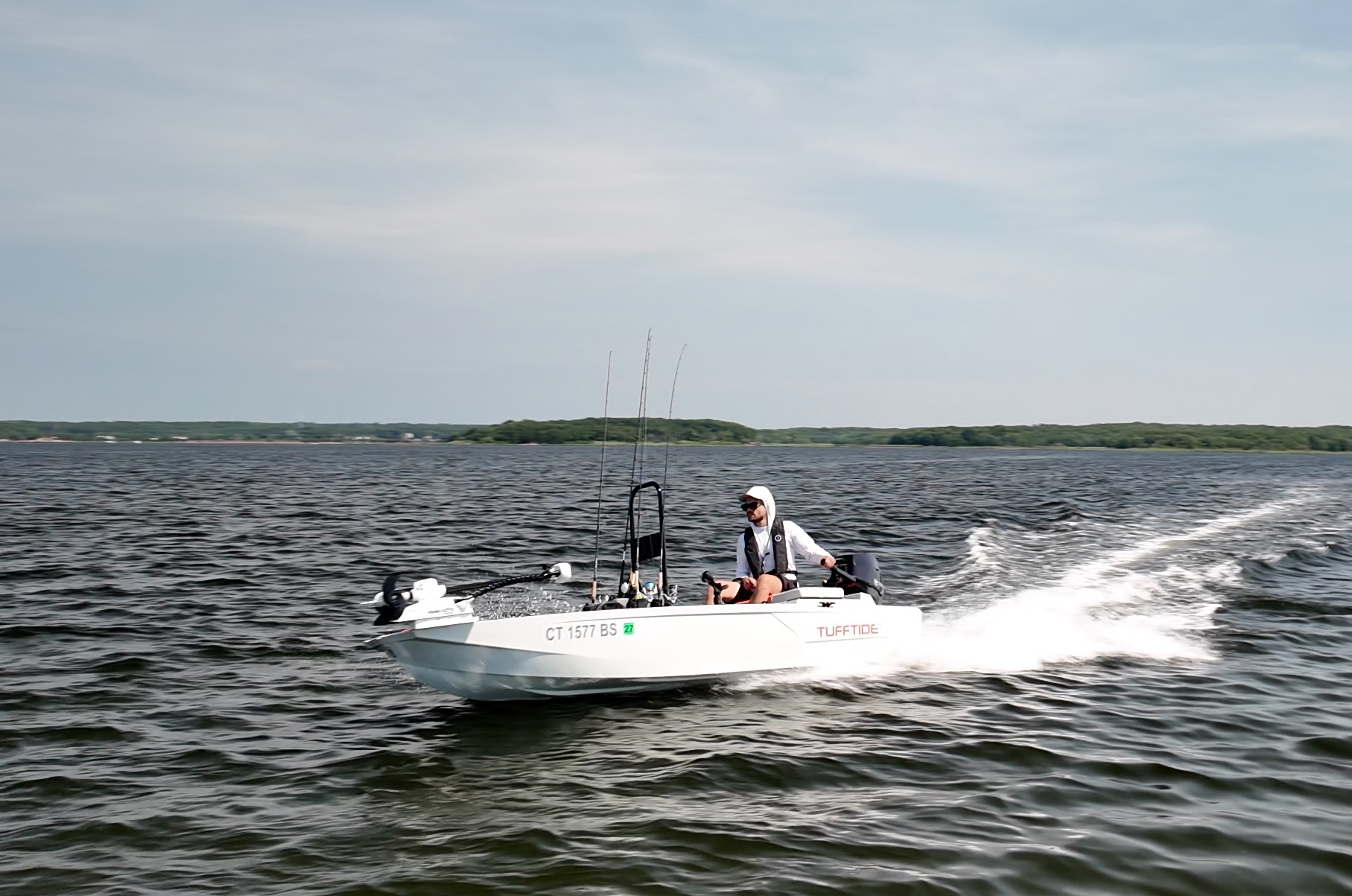
TuffTide 13 running in shallow water
01

Absorbs Everyday Impact

PE has some natural give, helping it tolerate the bumps, knocks, and contact that come with docks, ramps, beaches, trailers, and shallow-water use.

02

Tough All The Way Through

The durability isn't dependent on keeping a decorative outer surface pristine. Scratches and scuffs are generally cosmetic rather than exposing a separate gelcoat finish.

03

No Rot. No Rust.

Polyethylene itself doesn't rot and doesn't corrode like metal, which removes two common concerns from long-term hull ownership.

No boat material is indestructible, but polyethylene offers a combination of toughness, flexibility, and low-maintenance characteristics that makes it especially well suited for practical fishing boats.

Different

What Makes PE So Tough?

It Flexes: Polyethylene absorbs impact and shock instead of cracking like fiberglass or denting like aluminum.

It Doesn’t Rust or Rot: PE is chemically inert — salt, water, and weather don’t break it down.

It's Built for Abuse: Depending on the model, TuffTide hulls are either seamlessly welded from HDPE or formed as one-piece rotomolded shells — eliminating many of the failure points found in traditional boats.

It’s UV-Stable: PE is formulated to withstand long-term sun exposure without the gelcoat failures, blistering, or corrosion common in other materials.
Interested in Partnering With Us?
Everyday Advantages

Practical Benefits
You Notice On The Water

The advantages of polyethylene aren't just technical. They're the small things you notice every time you launch, fish, clean up, trailer the boat, or pull up to a dock.

Quieter On The Water

Polyethylene helps reduce the sharp hull noise and vibration that can come from gear, docks, and everyday contact — especially useful when fishing shallow.

Easy To Clean

Wash the boat down after a day on the water and get back to fishing. PE doesn't require the same polishing and cosmetic upkeep associated with many traditional hull finishes.

Less Cosmetic Worry

Scratches, scuffs, beaching, docks, and trailer contact don't have to become a constant source of concern. The boat is built to be used.

Built For Saltwater Use

Polyethylene itself doesn't corrode, making it especially well suited for boats that spend their lives around saltwater, wet gear, ramps, docks, and changing weather.

The result is a boat you can spend more time using — and less time worrying about keeping perfect.

Other Practical Benefits

FAQ's

Frequently asked questions

What are TuffTide boats made from?
TuffTide boats are built from polyethylene (PE). Depending on the model, we use either welded HDPE or rotomolded PE. Each construction method is chosen based on the size of the boat, how it will be used, and the performance characteristics we want.
What’s the difference between welded HDPE and rotomolded PE?
Welded HDPE boats are built from flat polyethylene sheets that are cut and welded together, allowing for strong construction, customization, and straightforward repair. Rotomolded PE boats are formed in a mold as a one-piece hull, making them well suited for compact designs, stability, and efficient production. Neither method is inherently better — they’re simply suited to different types of boats.
How durable are PE boats compared to fiberglass or aluminum?
Polyethylene is known for its impact tolerance and resistance to corrosion and rot. Compared with many traditional hull materials, it can handle everyday bumps, beaching, docks, and shallow-water use with less concern about cosmetic surface damage. Actual durability still depends on hull design, construction, and how the boat is used.
Are TuffTide boats low maintenance?
Yes. The polyethylene hull itself requires relatively little cosmetic maintenance because there is no gelcoat to wax and the material does not rust or rot. Like any boat, engines, electrical systems, hardware, trailers, and other equipment still require normal inspection and maintenance.
Can PE boats be repaired or modified?
Repair and modification depend on the construction method. Welded HDPE boats can often be plastic welded and modified relatively easily. Rotomolded PE hulls can also be repaired, but the methods are different and modifications can be more limited. TuffTide can help owners determine the appropriate approach.
Which TuffTide boat is right for me?
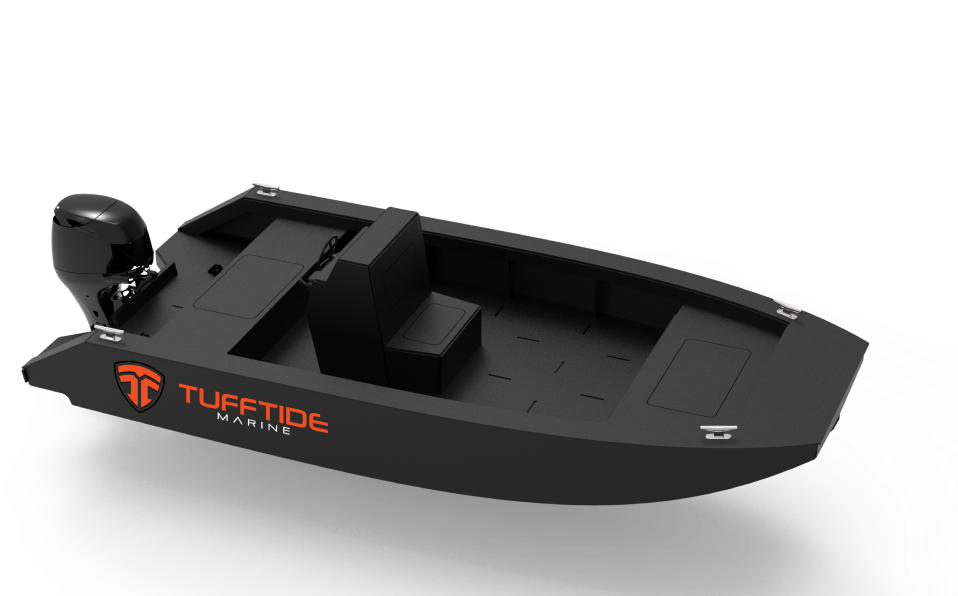
It depends on where you fish and how you plan to use the boat. The TuffTide 13 is designed for compact, shallow-water access and simple ownership. The Drifter 16 offers an open welded-HDPE tiller layout with maximum usable deck space, while the Bruiser 16 adds center-console steering and a more traditional boat setup. If you’re unsure, contact us and we’ll help you choose the right model.
polyethylene boats

Built for the Long Haul

- You don’t need to wax it.
- You don’t need to baby it.
- You don’t even need to think about it.


Just start the engine and go.
Interested in Partnering With Us?
TuffTide 13 running on the water
Low-Maintenance Ownership

Built For The
Long Haul

Polyethylene hulls are built for years of real-world use without the cosmetic upkeep associated with many traditional boat finishes.

  • No gelcoat to wax or polish.
  • No hull material to rust or rot.
  • Less worry about everyday scratches, scuffs, docks, and beaching.

Use it. Rinse it down. Keep fishing.

See The Difference

Ready To See What Polyethylene Can Do?

Explore TuffTide Boats
Models

Want to See It in Action?

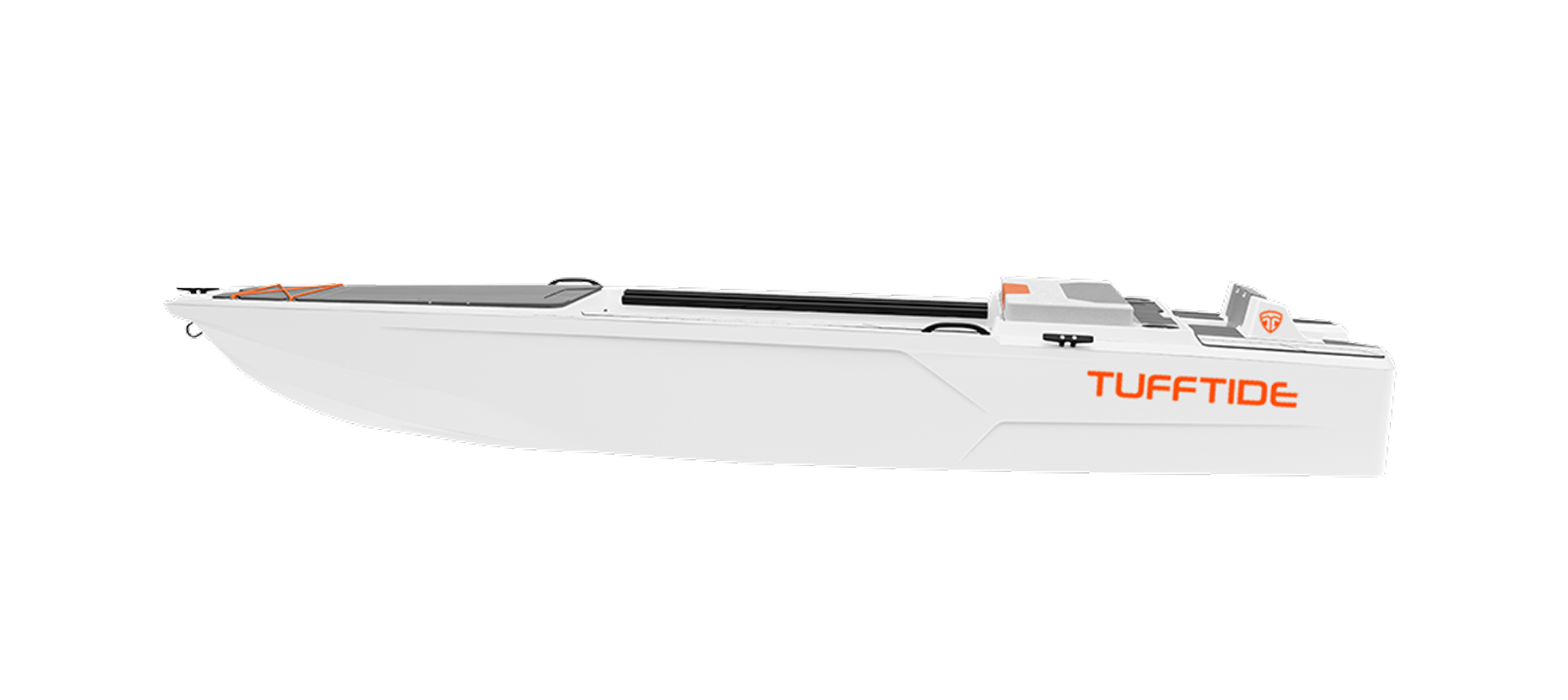
TUFFTIDE 13

PE (foam filled) Hull

EVA Flooring

Padded Seat

Gear Track

Trolling Motor Ready

TUFFTIDE 13

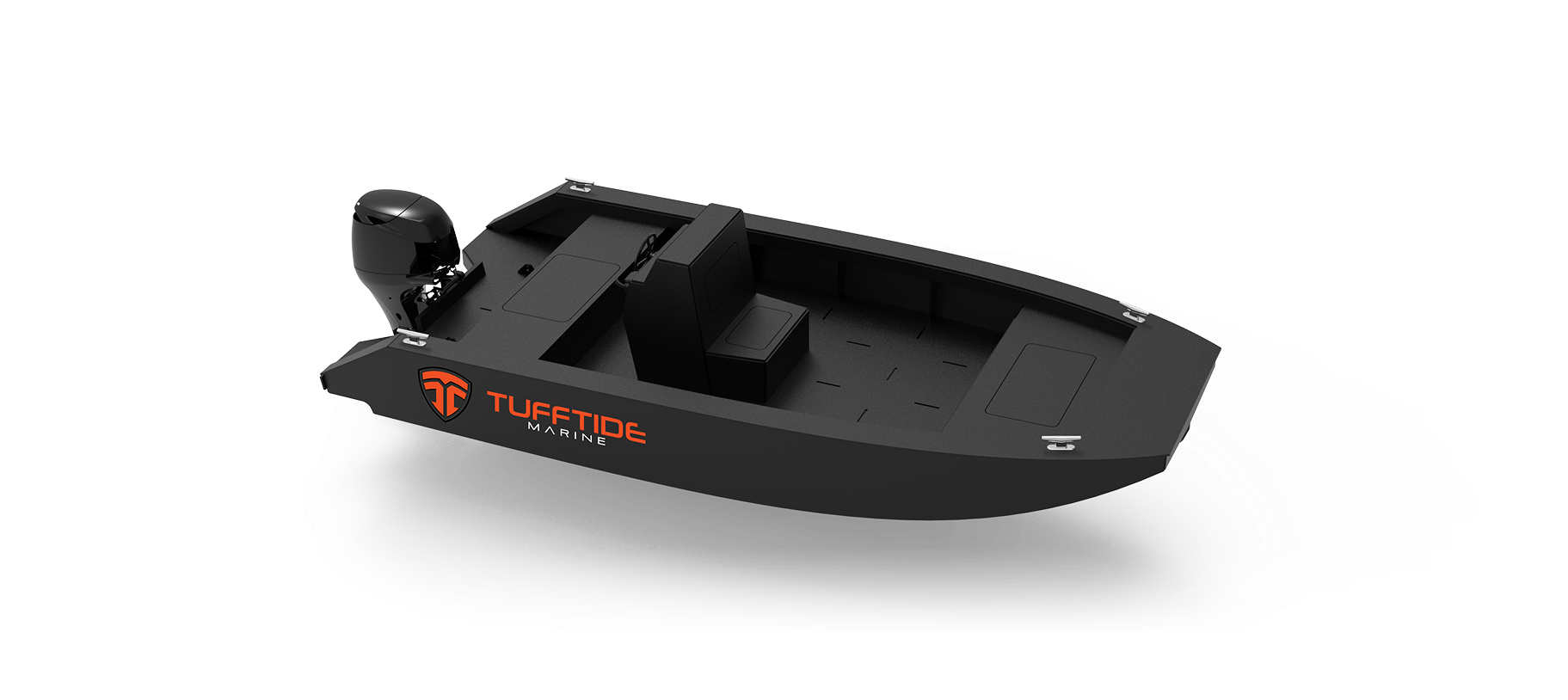
Bruiser 16

Center console helm with steering, throttle, seat & storage

Rear bench seat with storage

Bow seat with storage

1.5” thick HDPE transom

Self-bailing, non-skid deck

Bruiser 16